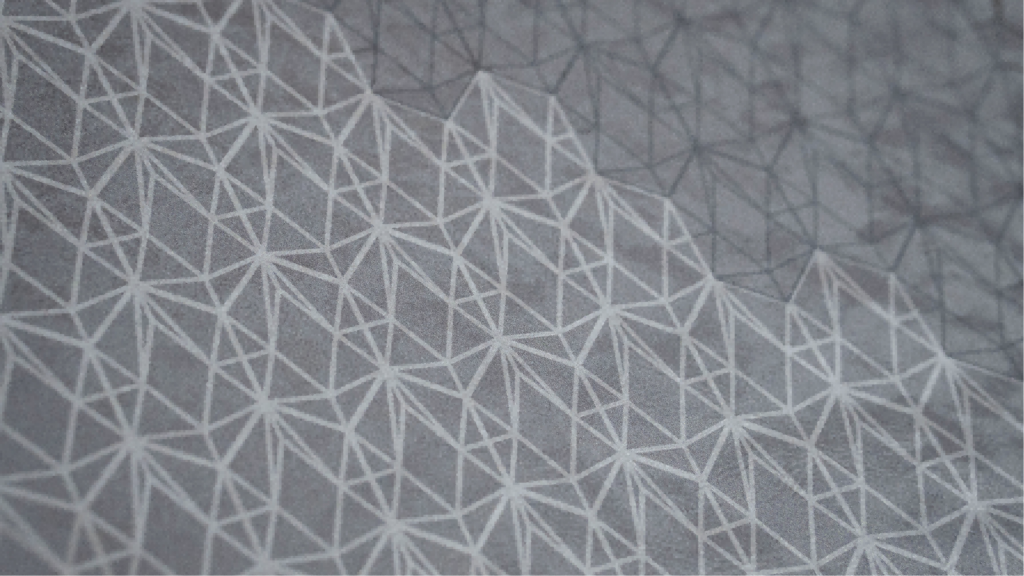
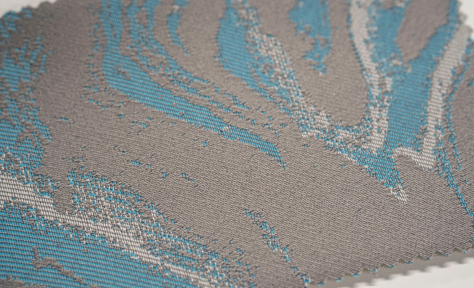
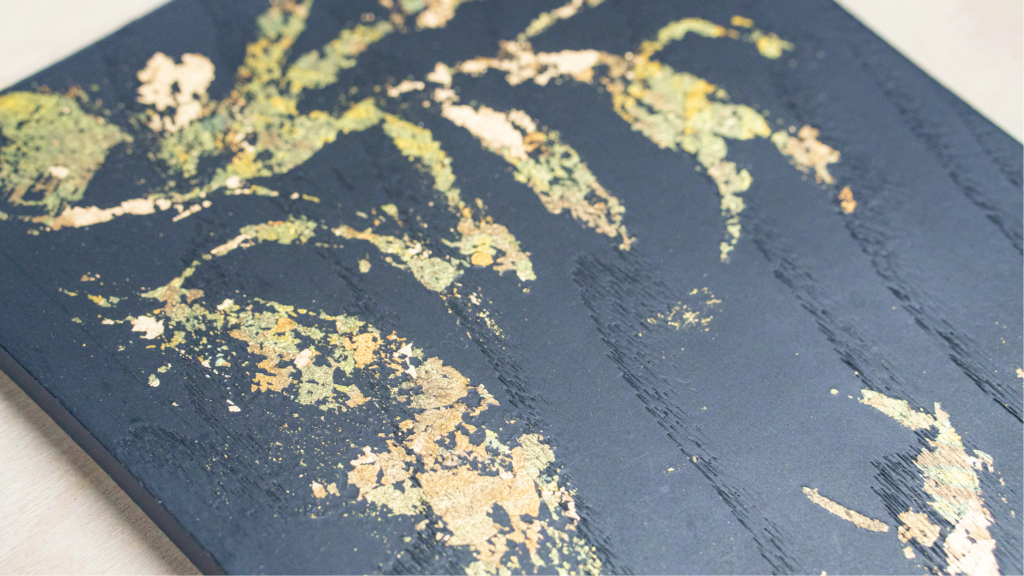
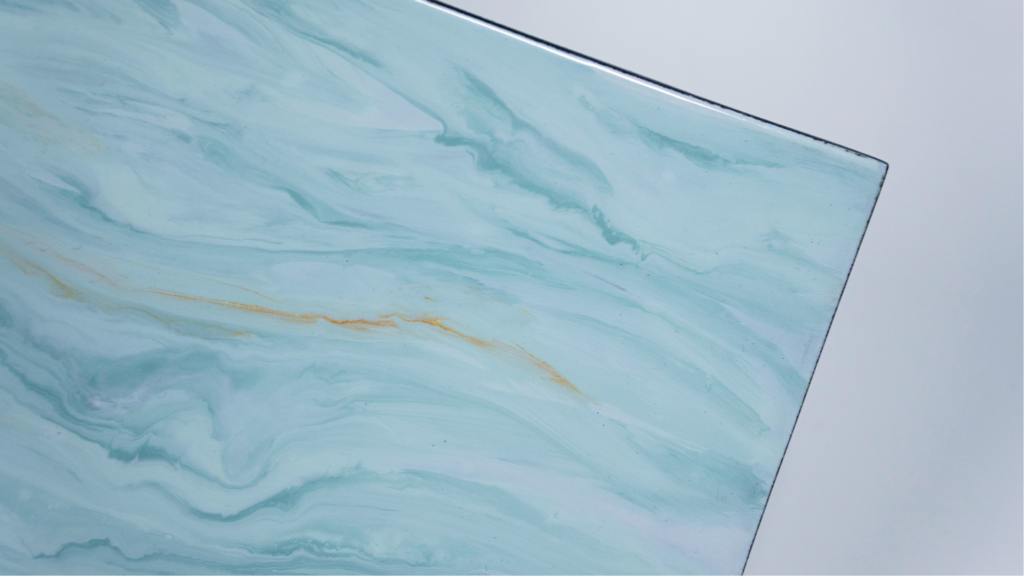
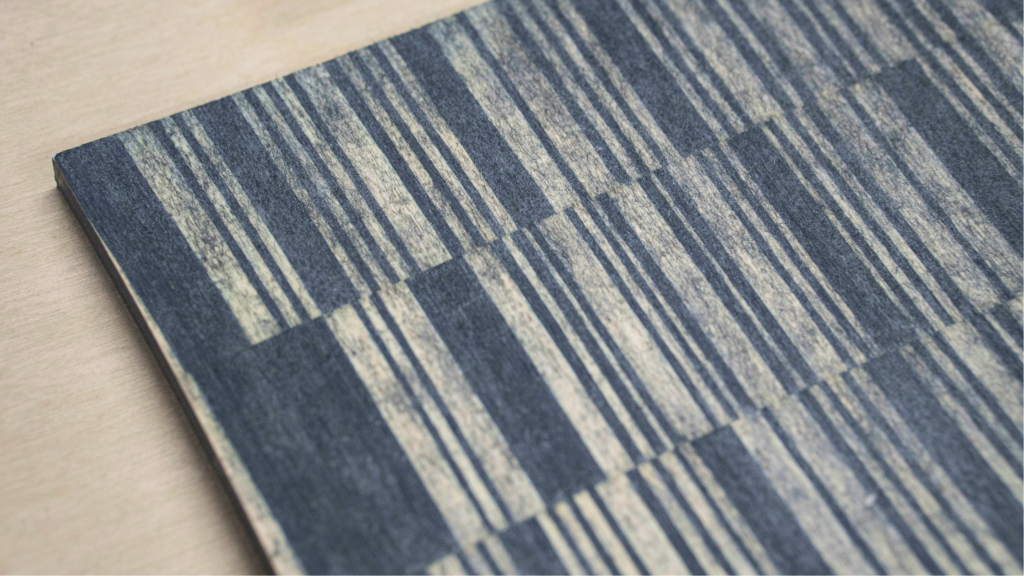
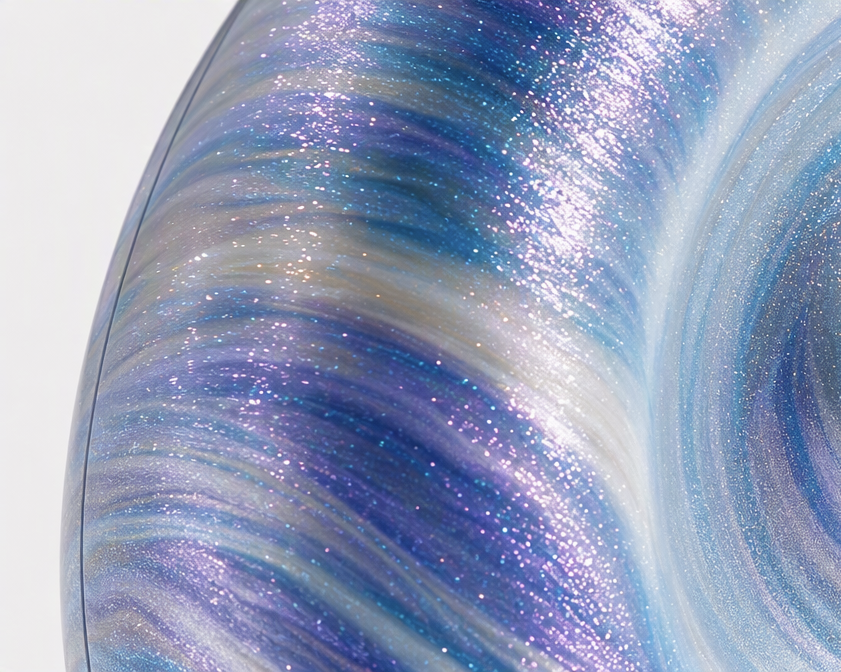
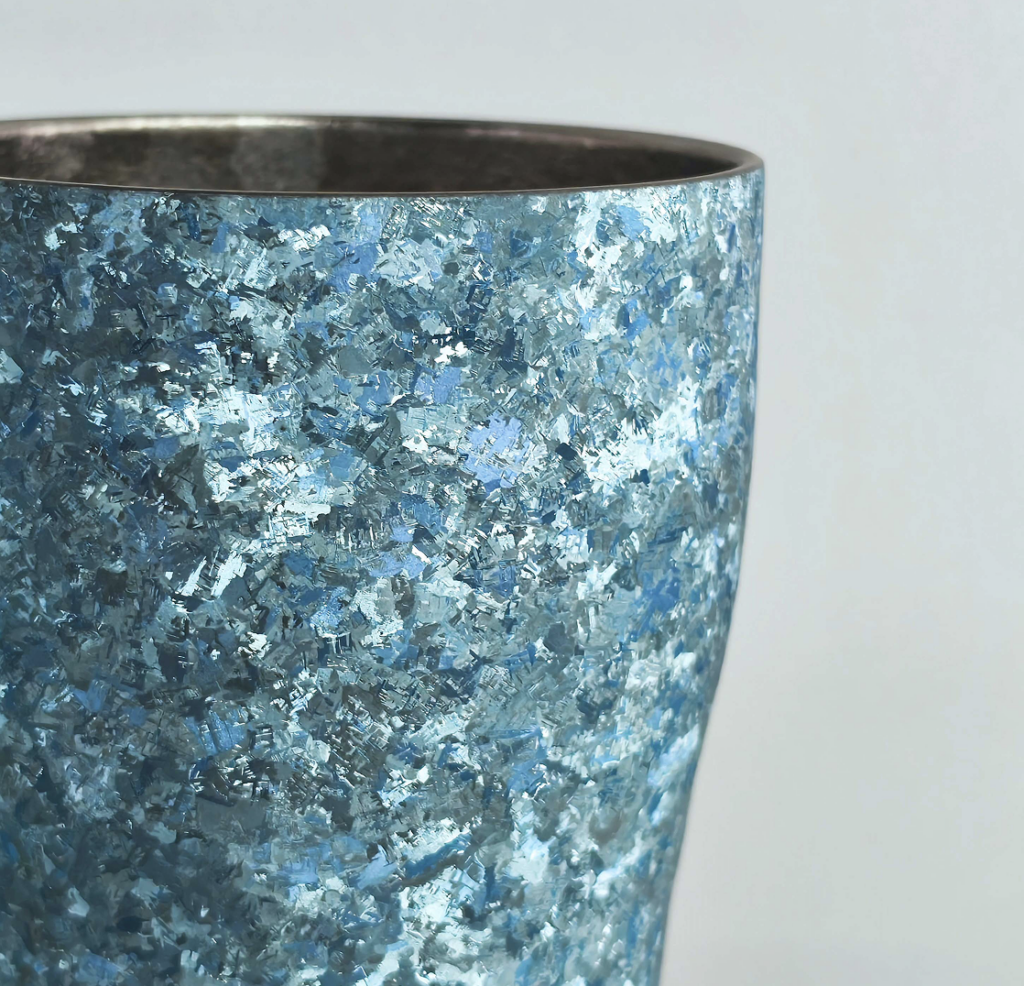
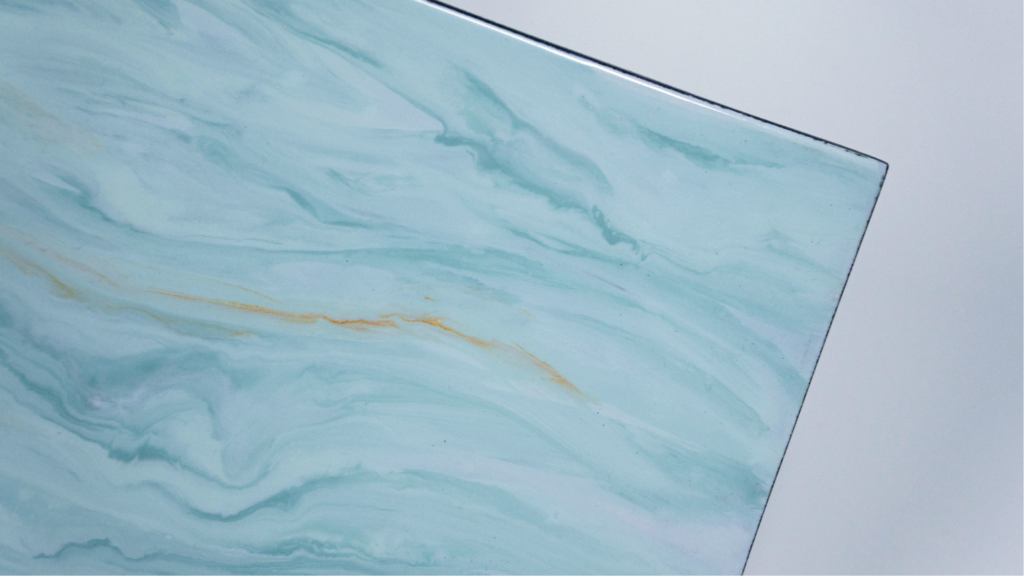
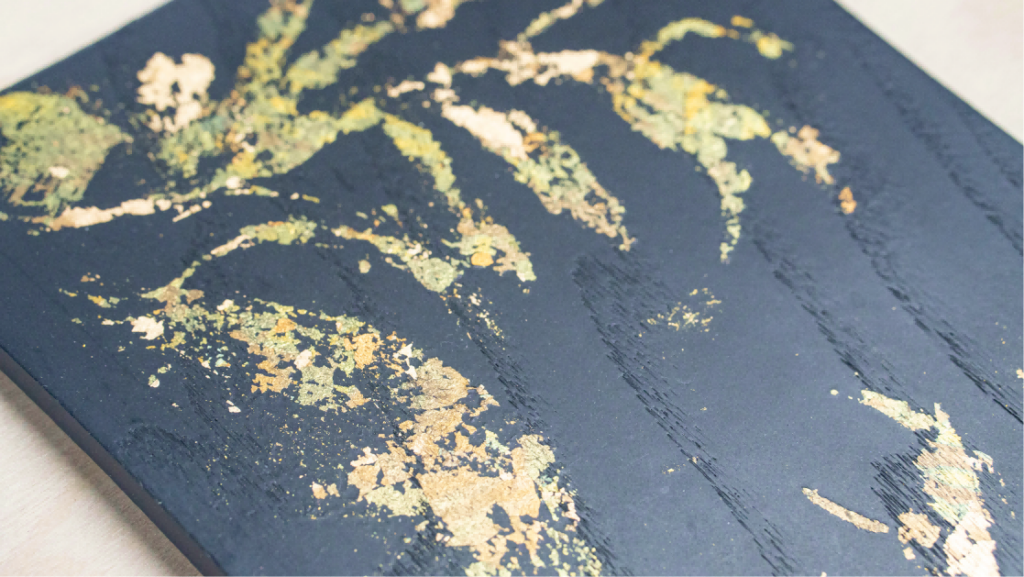
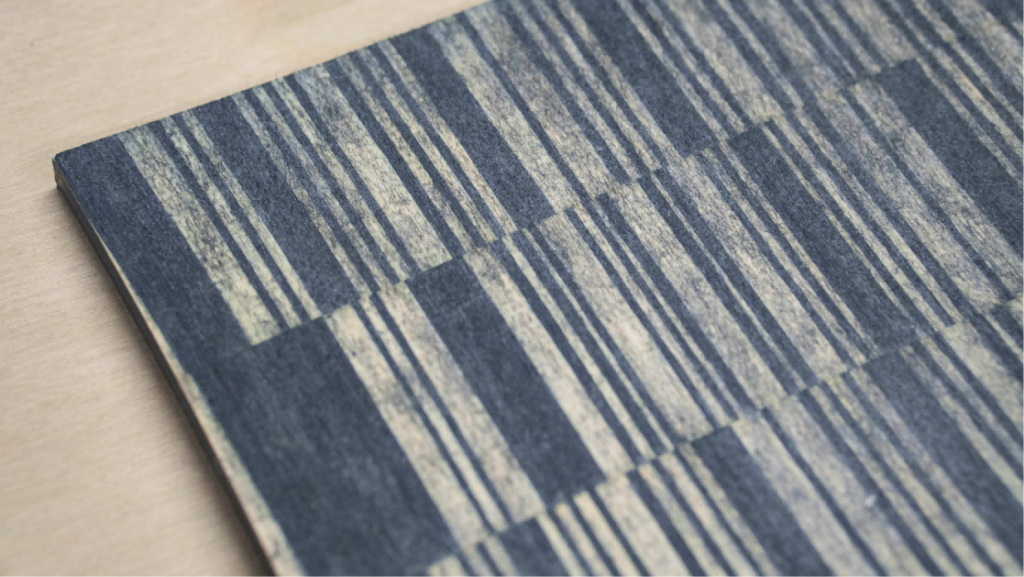
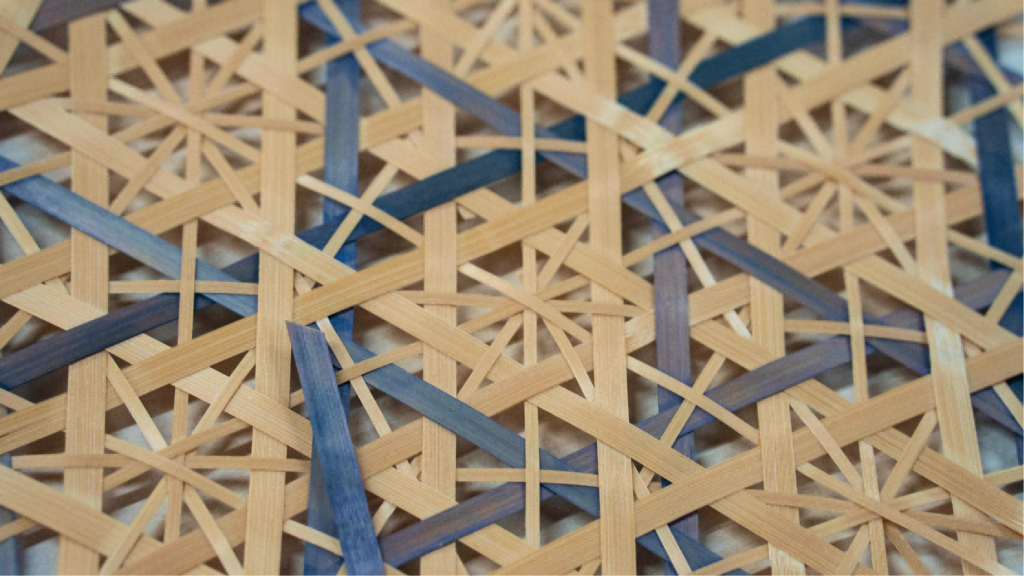
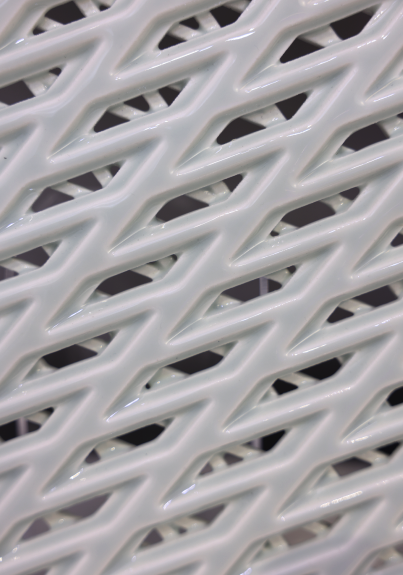
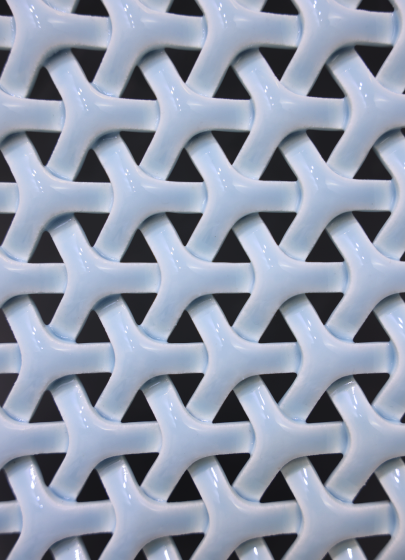
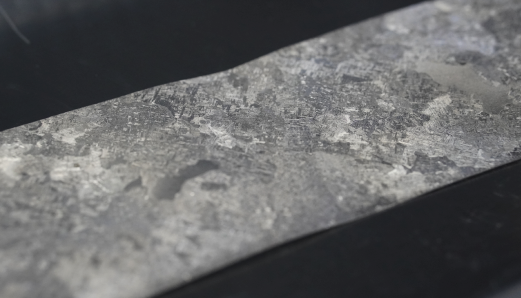
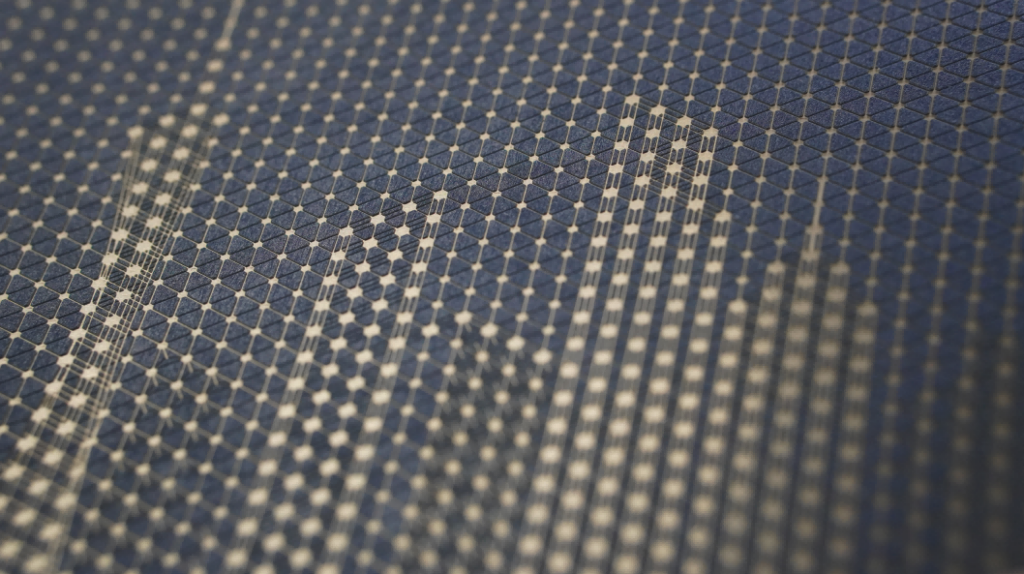
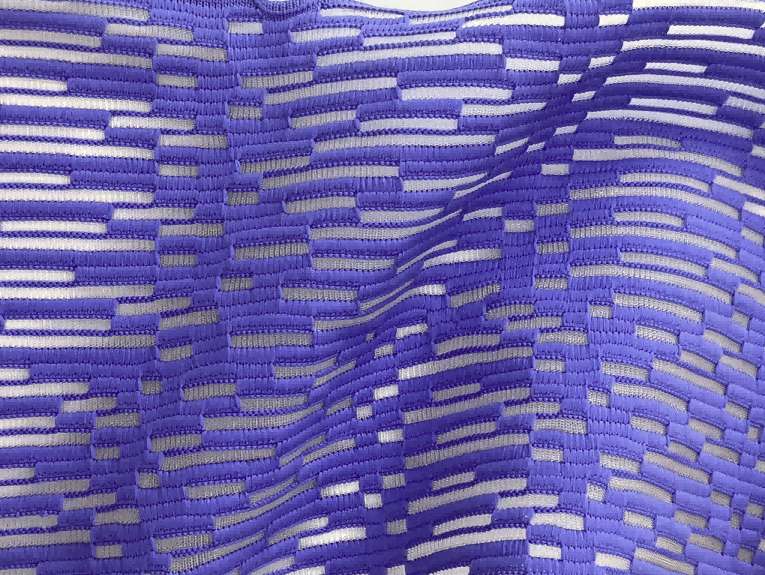
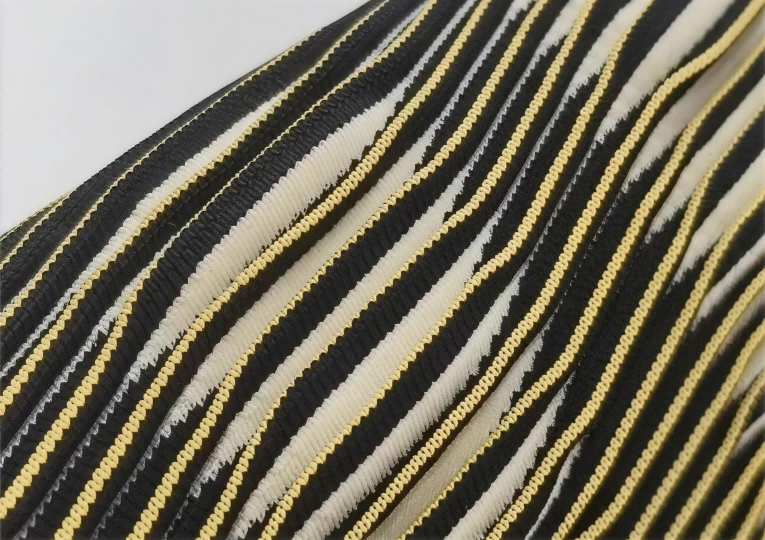
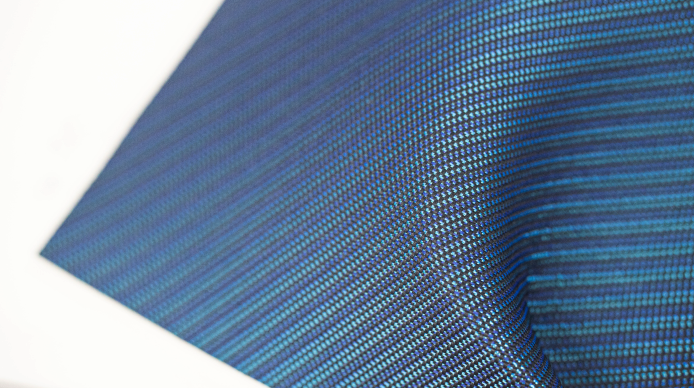
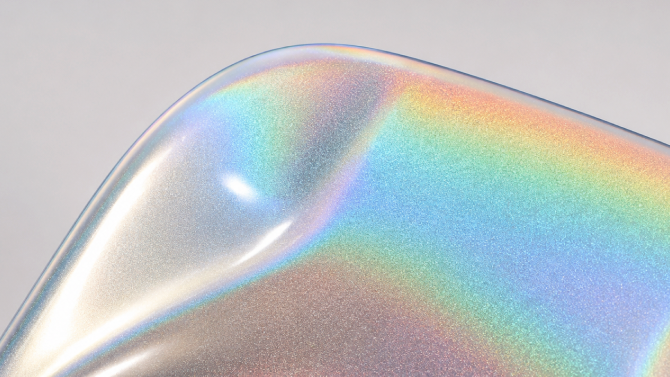
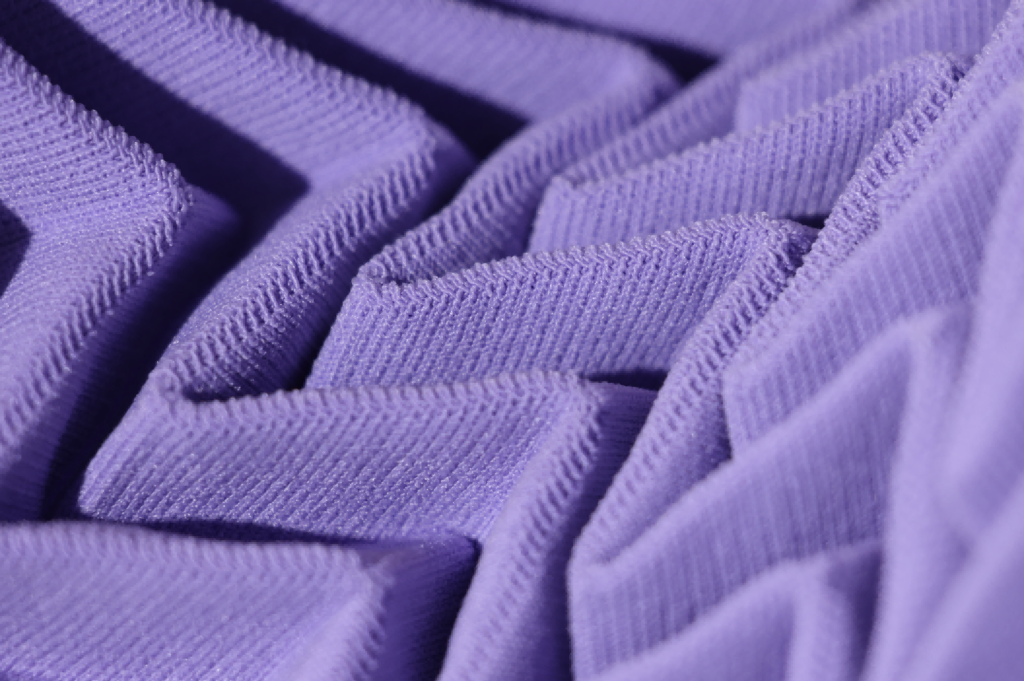
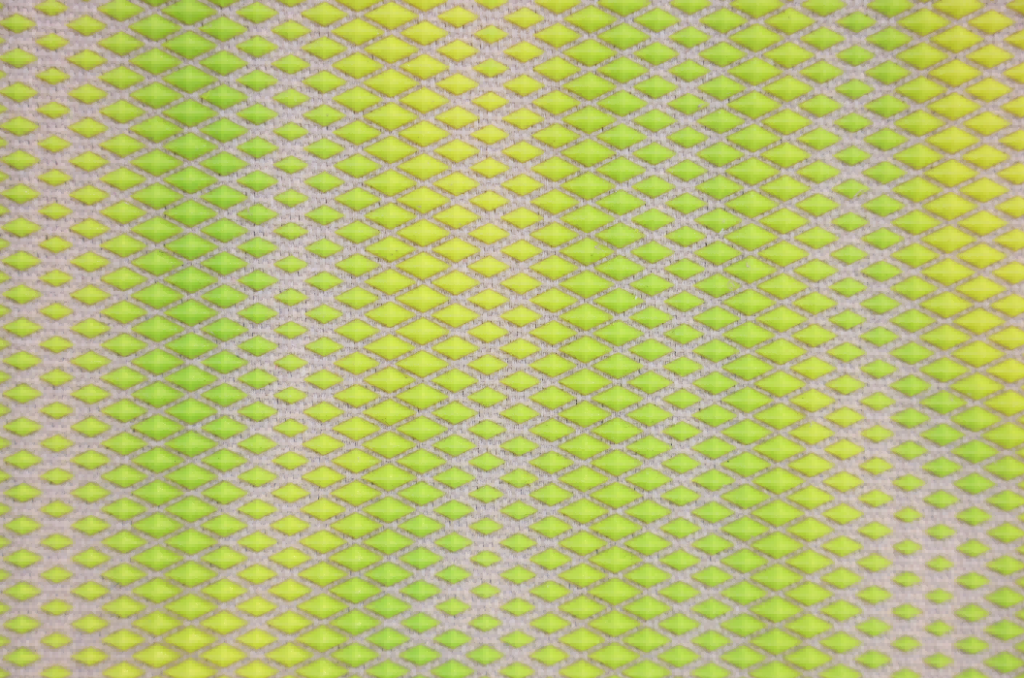
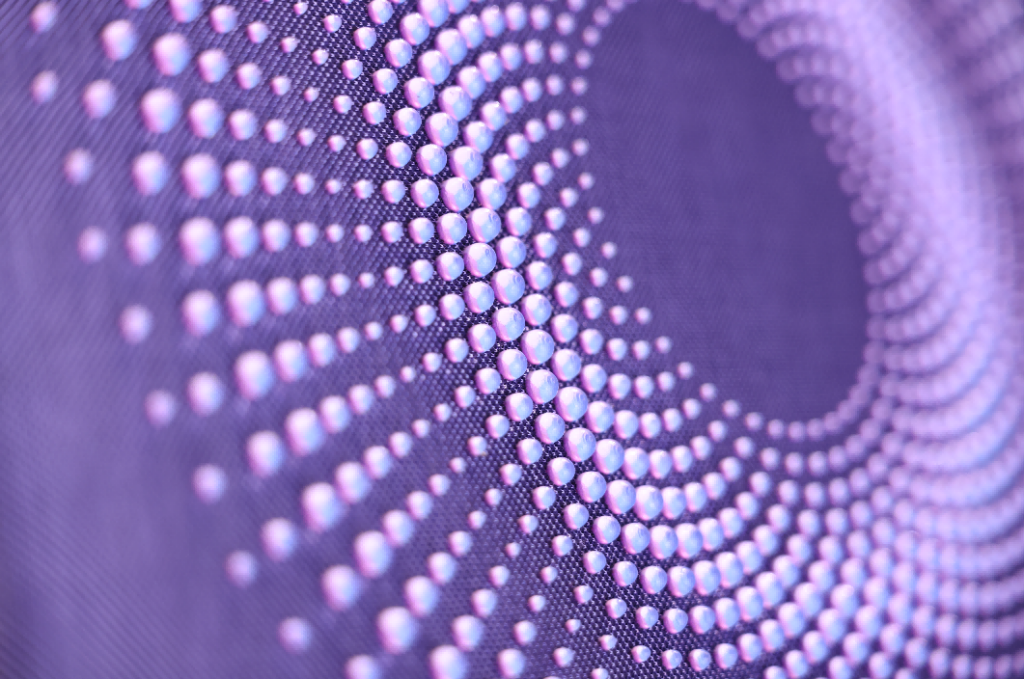
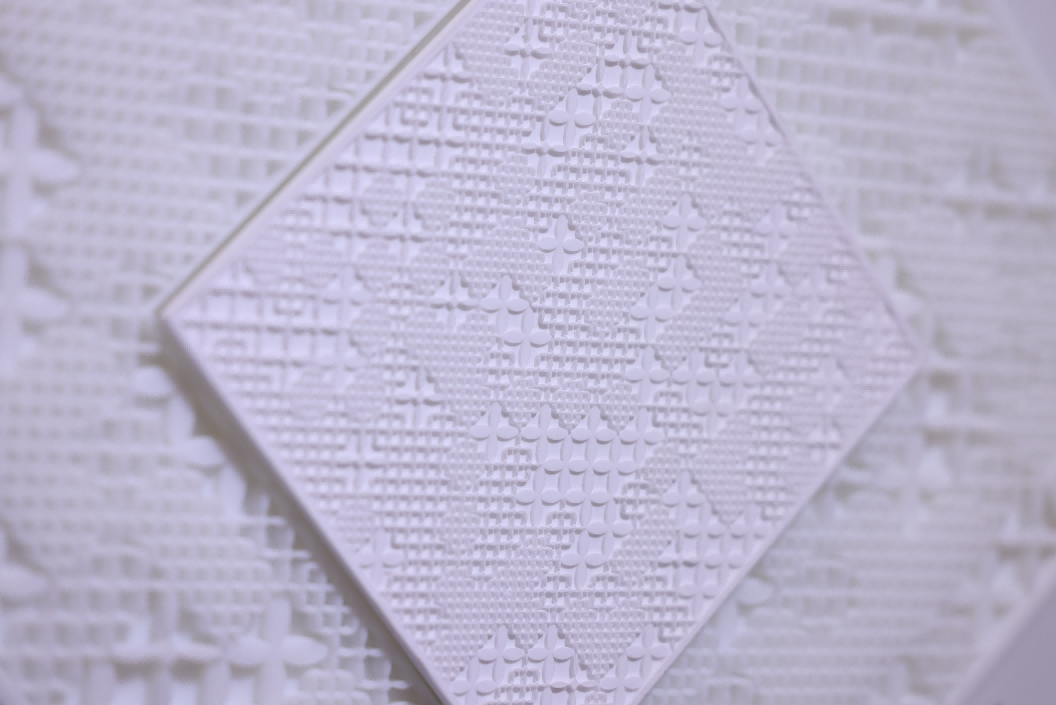
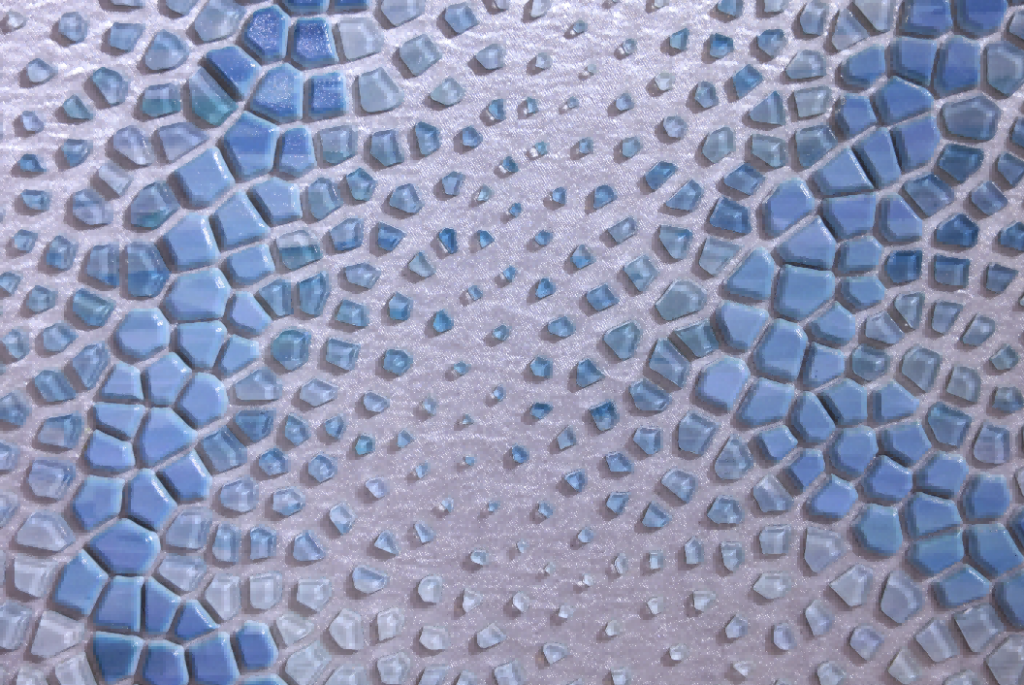
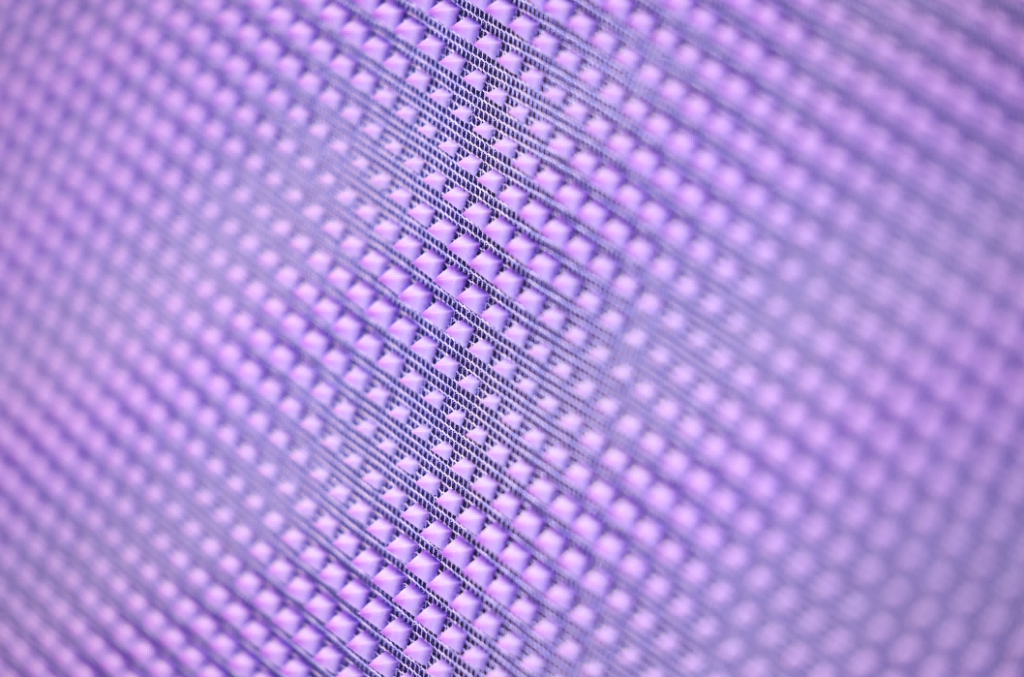
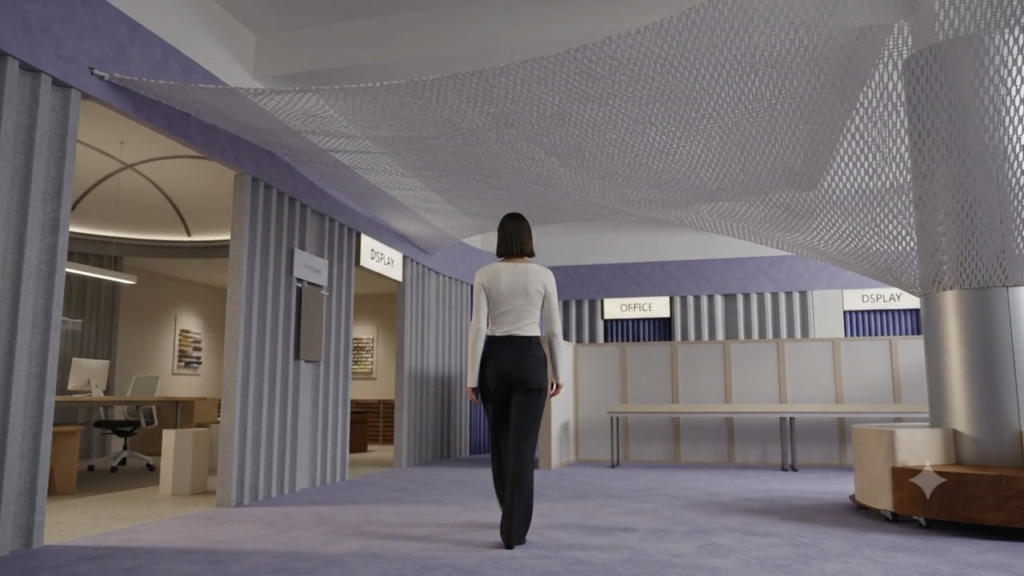
At TECHIC, materials are not the final layer of a product. They are where appearance, function and interaction come together. The collections shown here began with our own experiments in yarn, structure, texture, light and process, and were developed into physical samples ready to be explored in real product applications.
Harrison
Creative Director
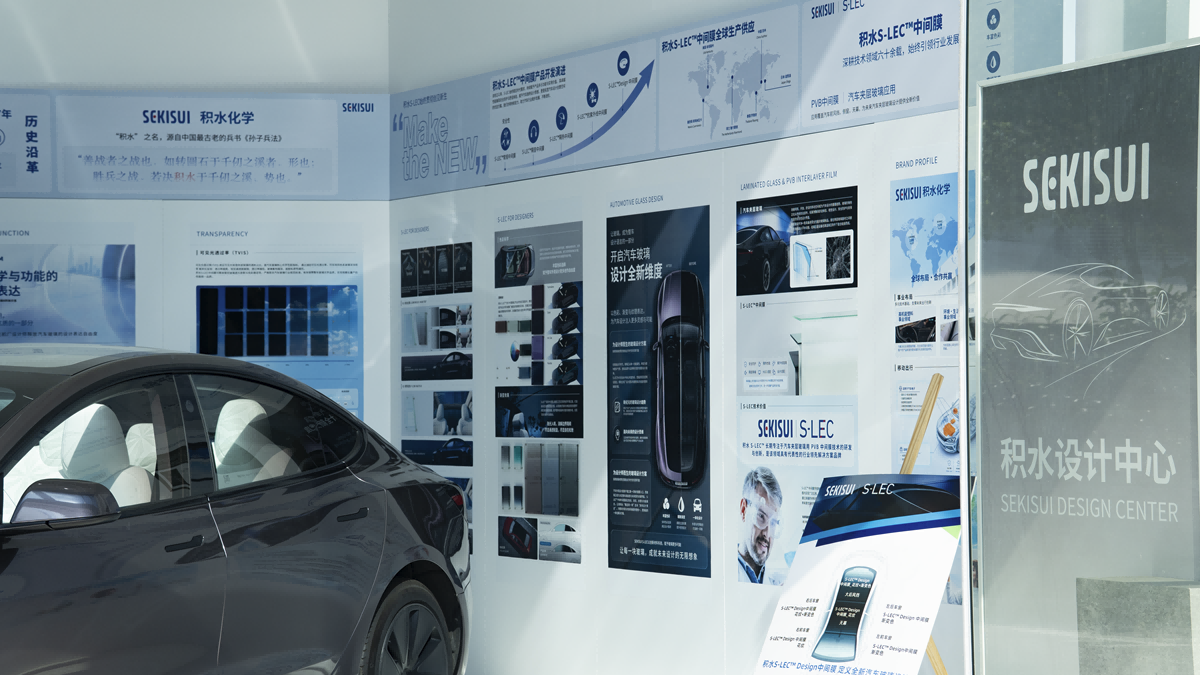
SEKISUI S-LEC Design Center Co-create around automotive glass
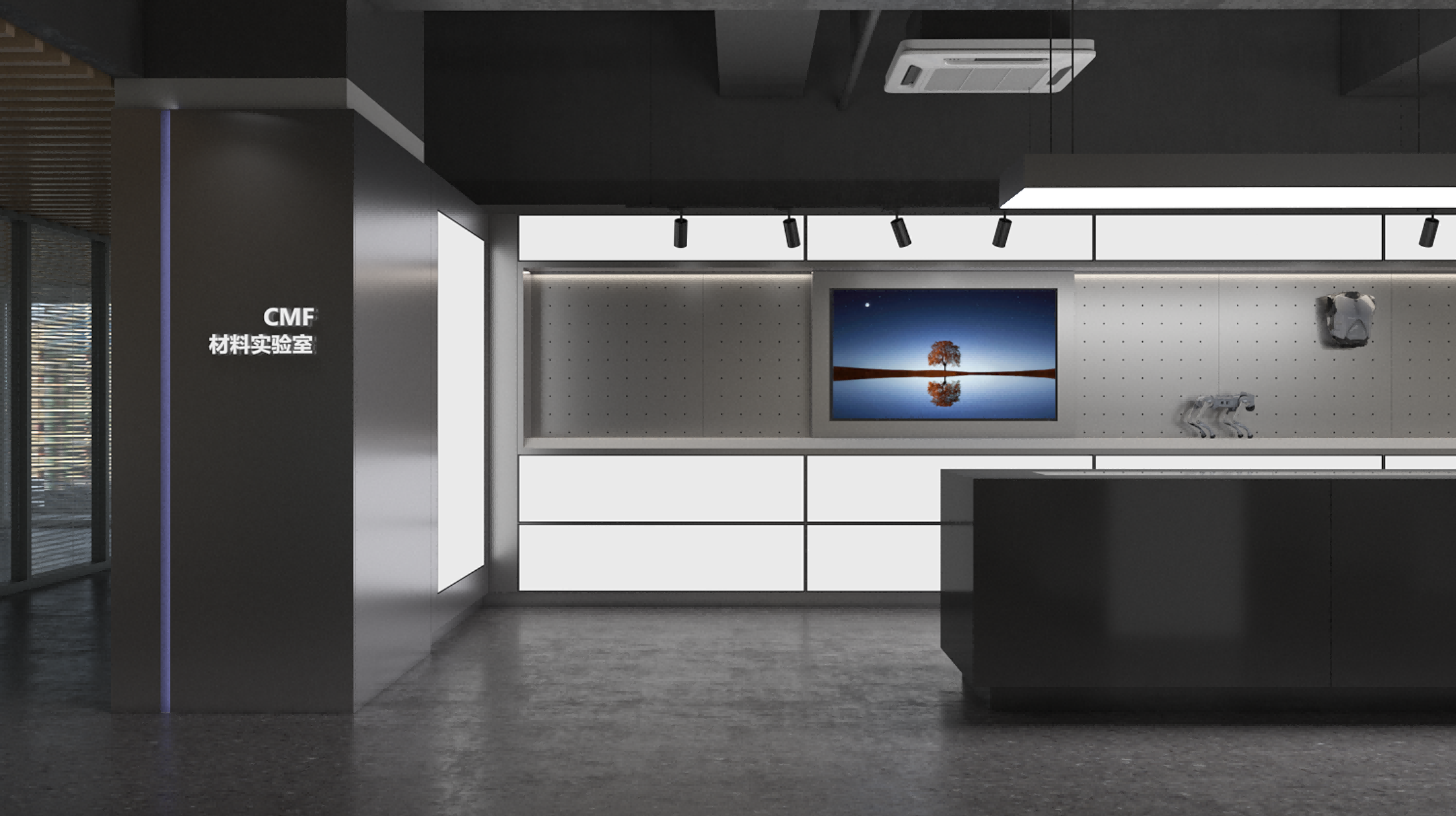
The SEKISUI S-LEC Design Center in Shanghai was established through a collaboration between SEKISUI CHEMICAL and TECHIC. Operated by SEKISUI S-LEC (Suzhou), the center combines SEKISUI’s expertise in interlayer technologies for laminated glass with TECHIC’s understanding of China’s evolving CMF trends and mobility design landscape. More than a showroom, the center is designed for product, CMF, materials, innovation, R&D, and sourcing teams exploring new possibilities for glass in next-generation mobility—from early inspiration and concept definition to application evaluation and development planning.
01
Glass Samples
View and handle glass samples across a wide range of colors, transparency levels, textures and visual effects.
02
Vehicle-Scale Experience
See selected solutions on a Tesla demonstration vehicle and evaluate their effects under real lighting and application conditions.
03
Customization Pathways
Discuss how a specific color, texture or visual direction could progress into simulation, sampling and further development.
TECHIC Design Studio Find inspiring materials and ideas
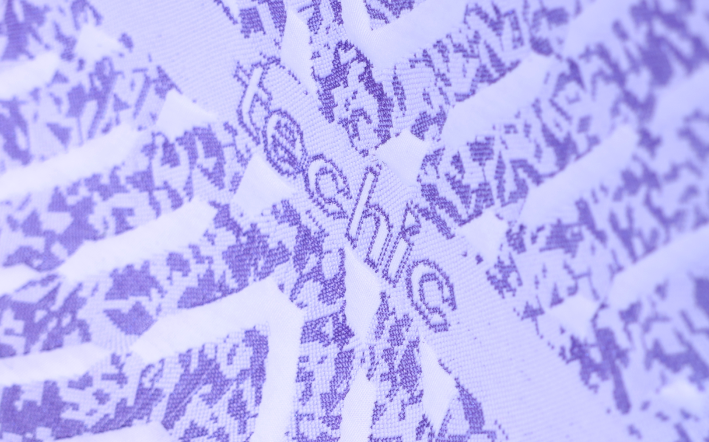
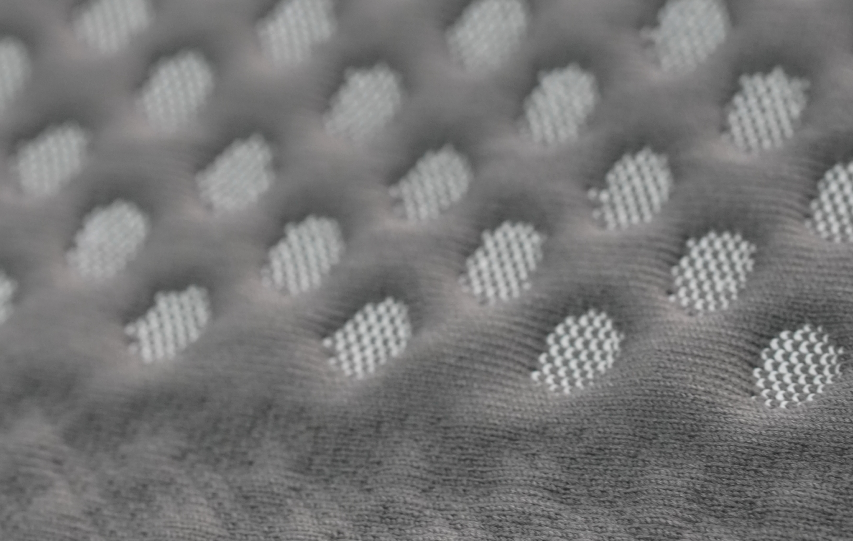
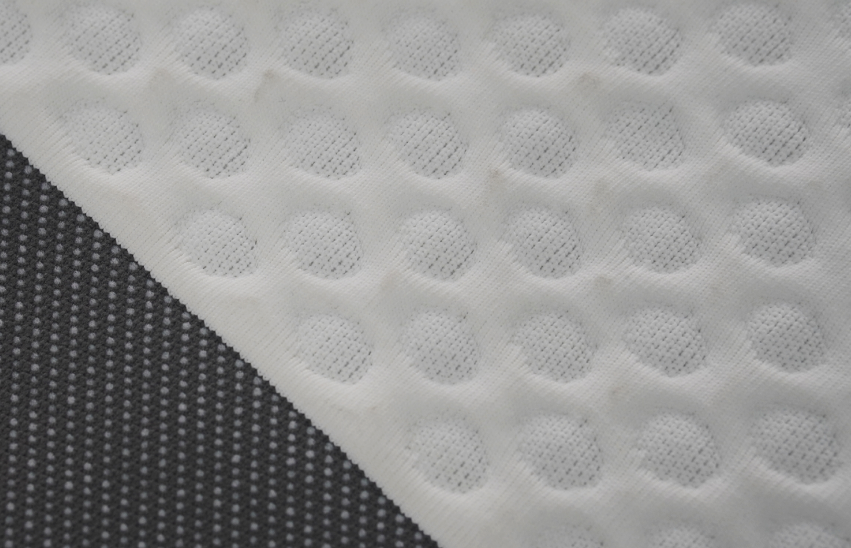
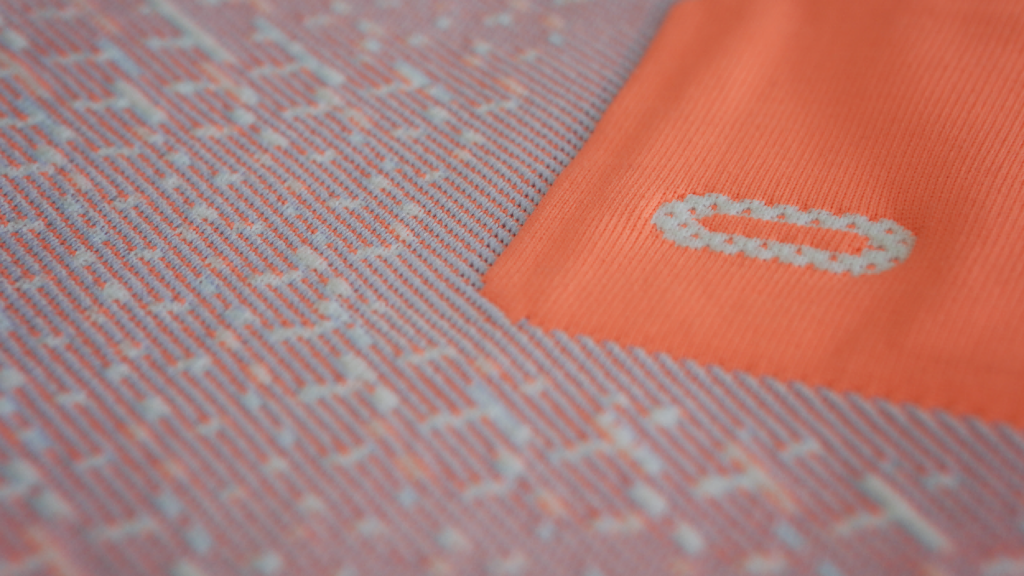
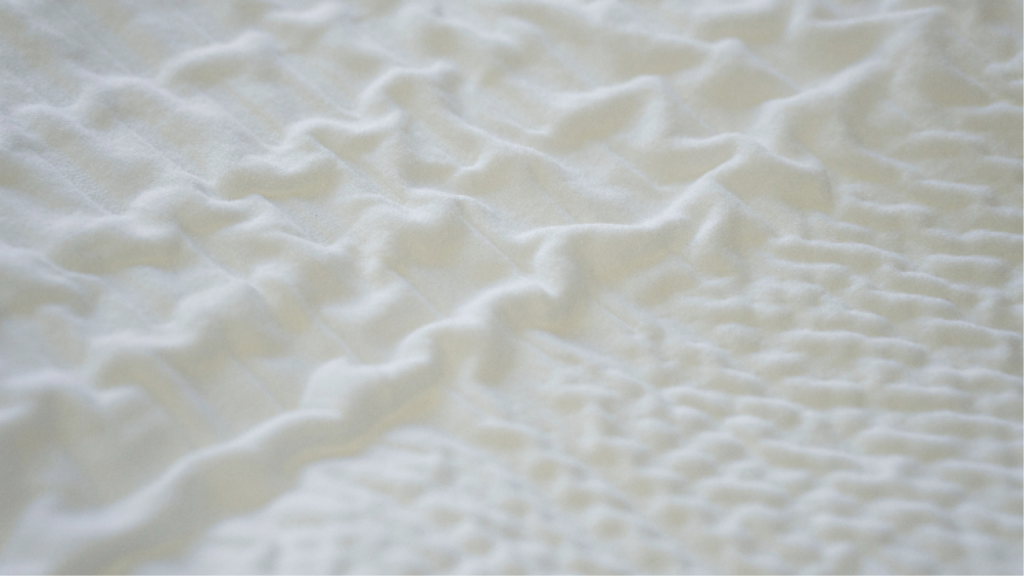
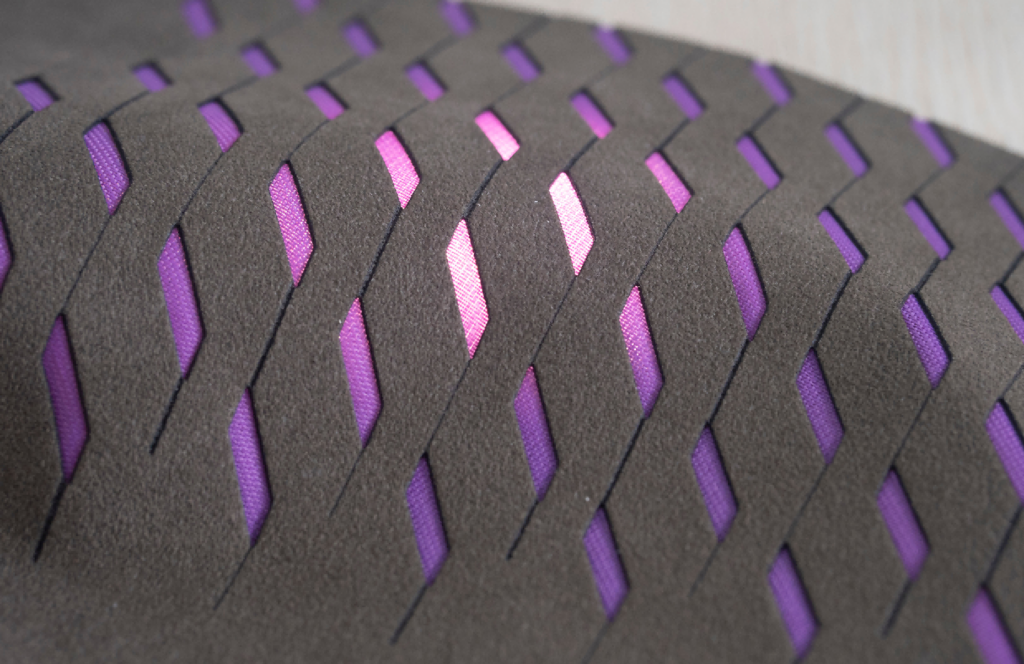
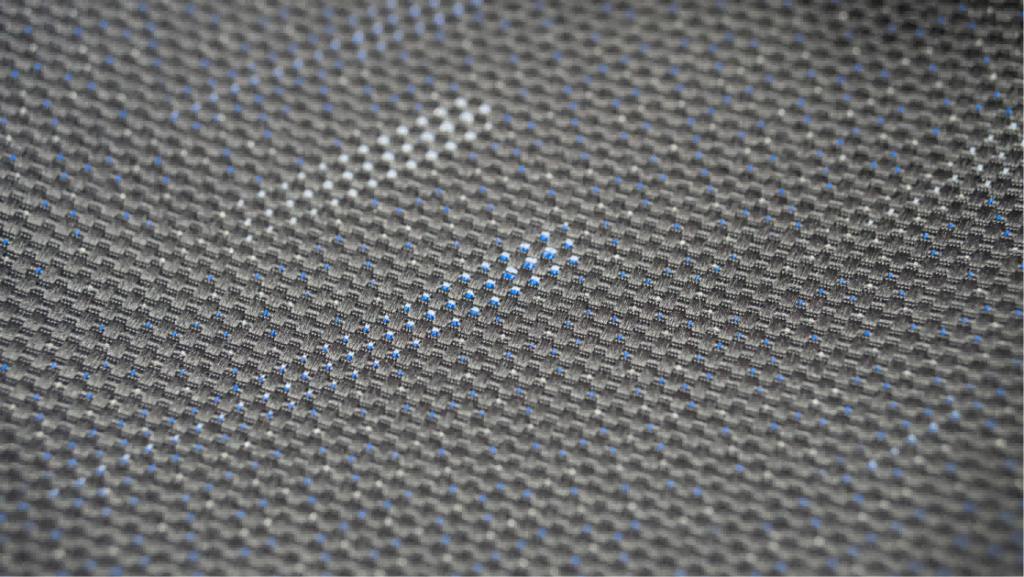
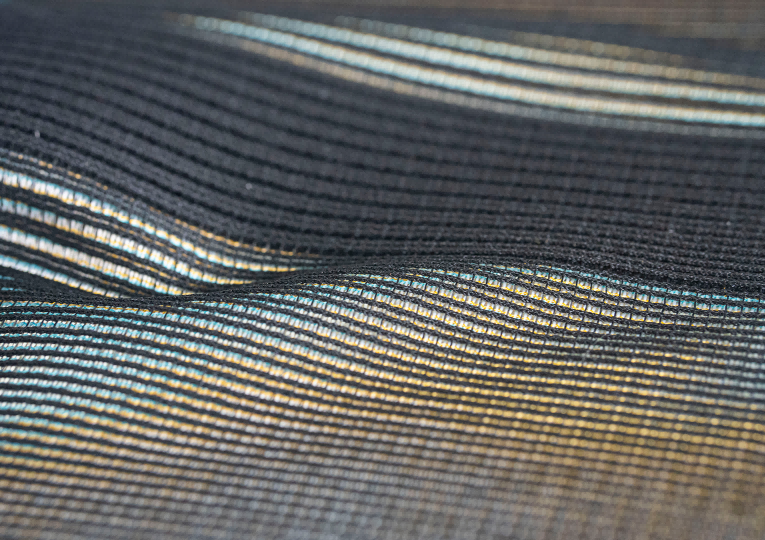
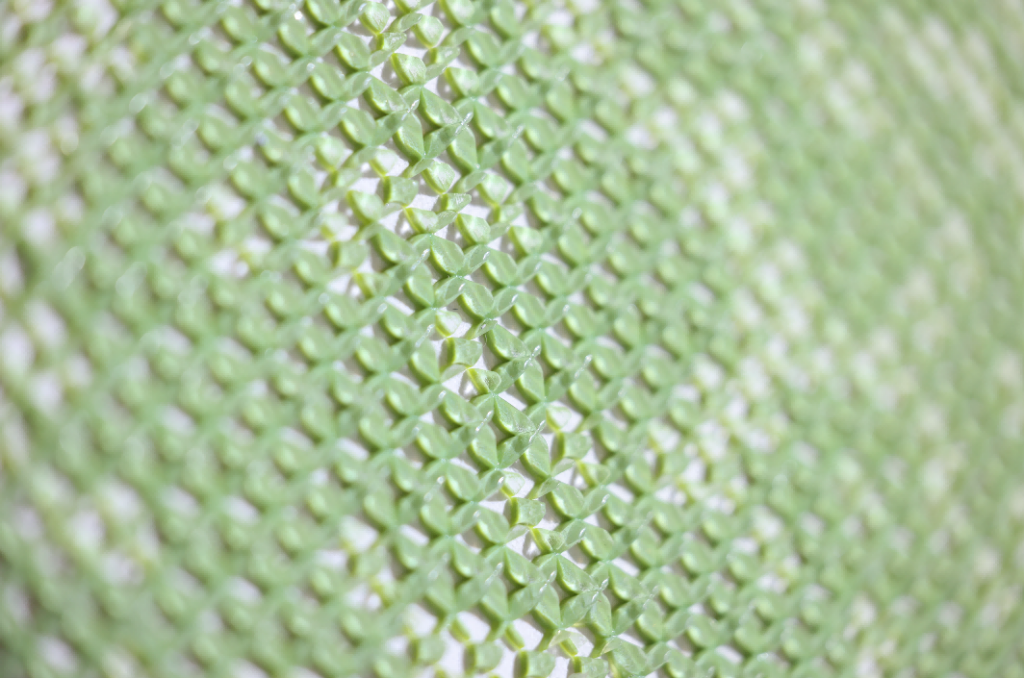
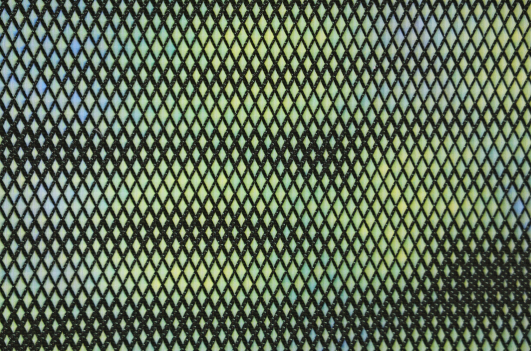
Interweave® is a knitted flexible material system, developed through engineered knitting structures, yarn selection and construction techniques to achieve specific performance characteristics — breathability, stretch, tactile softness and structural definition — depending on how it’s engineered. As a knit-based material, it offers a different set of design freedoms compared to woven or molded surfaces: pattern, density and flexibility can all be tuned at the construction stage rather than added afterward. It is suited to applications where a soft, adaptive, textile-based surface is required, such as wearables, interior soft-touch components and robotics skins.
Heritage Recrafted® is a material innovation developed by translating traditional Chinese intangible cultural heritage (非遗) craftsmanship into production-ready material systems. Rather than simply referencing heritage aesthetics visually, TECHIC works to understand the underlying techniques of these traditional crafts and re-engineers them into materials that can meet modern industrial production requirements — consistency, durability and manufacturability at scale. This system is suited to applications where cultural narrative and craftsmanship depth are part of a brand’s material strategy.
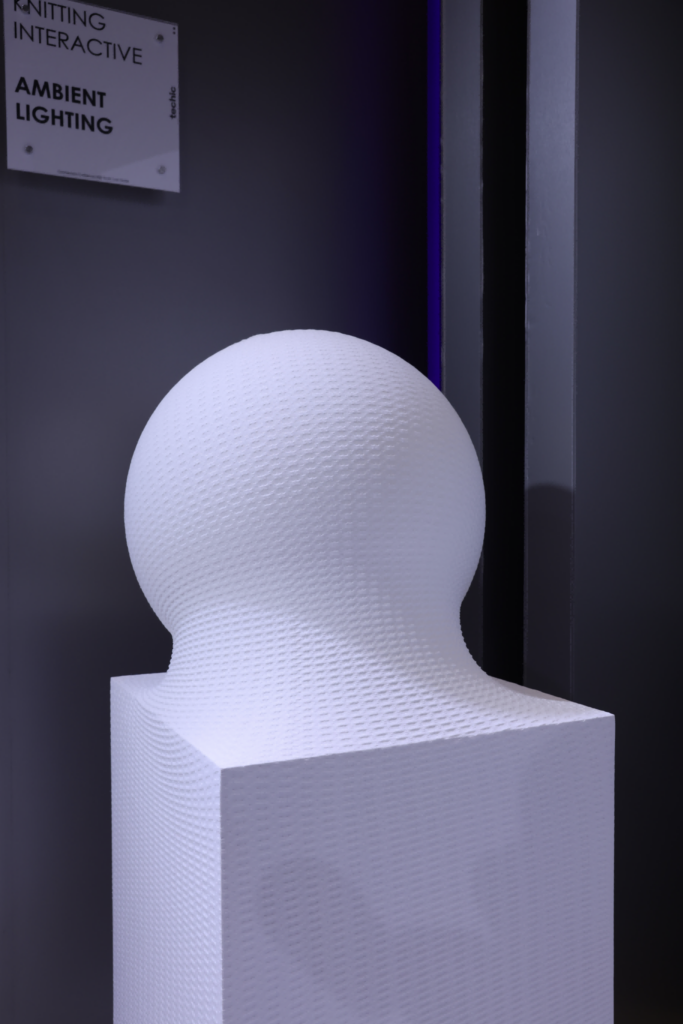
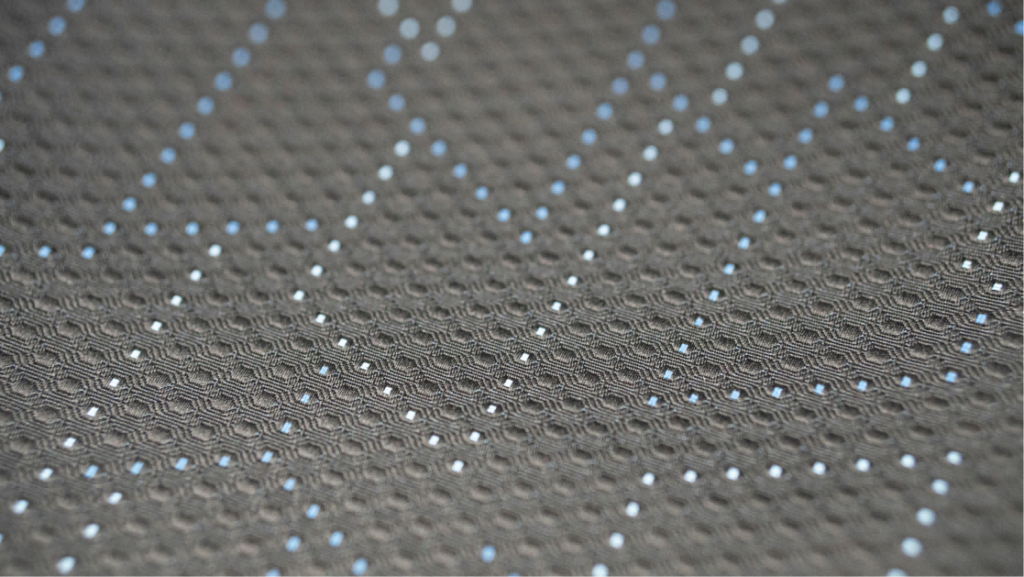
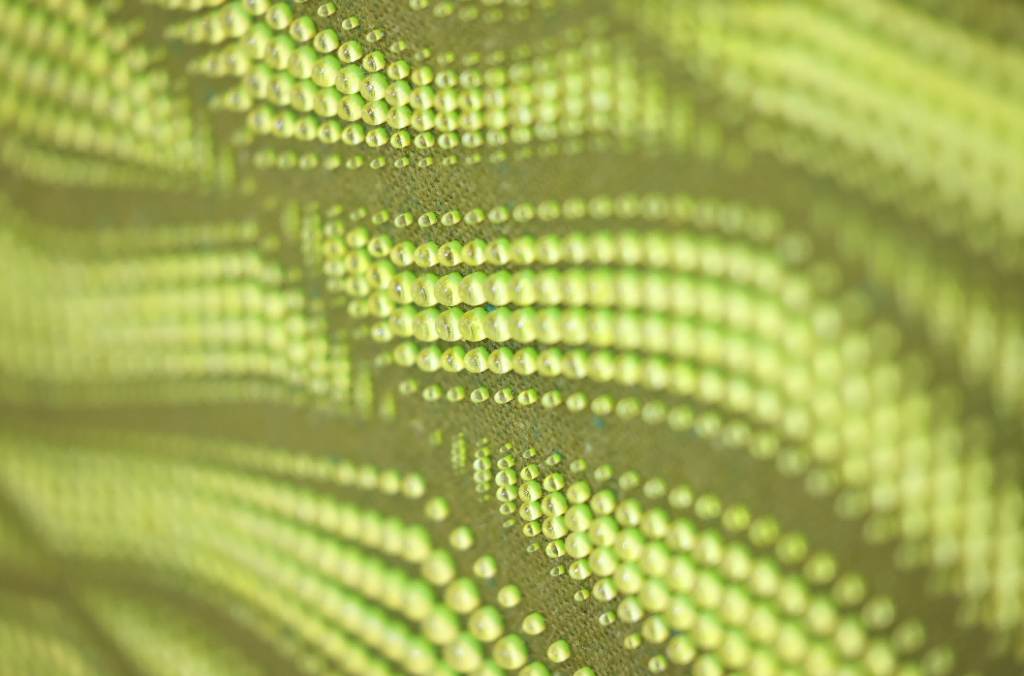
Light & Shadow® is a material system developed around light as a design variable — how a surface interacts visually with light, including effects such as partial transparency, light diffusion and changes in appearance under different lighting conditions. Rather than treating light as an external element added to a finished surface, TECHIC develops the material itself to shape how light passes through, reflects off, or is absorbed by it, in order to create a specific visual atmosphere. This system is suited to applications where mood, atmosphere and dynamic visual interaction under lighting are core to the product experience.
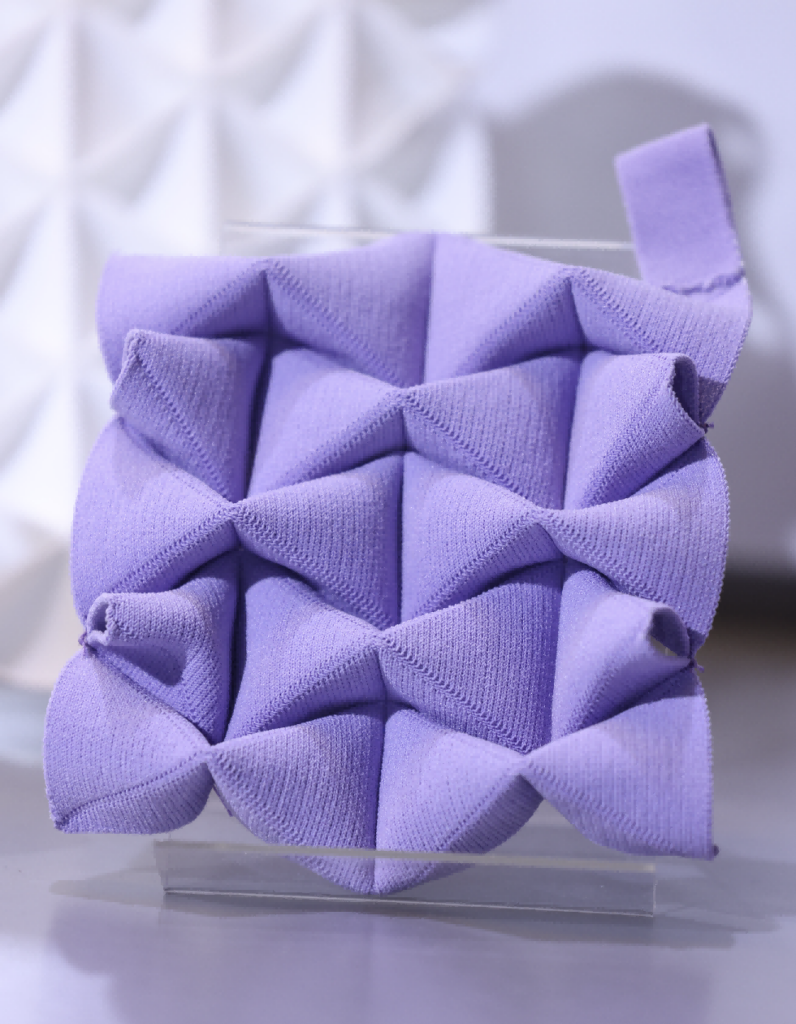
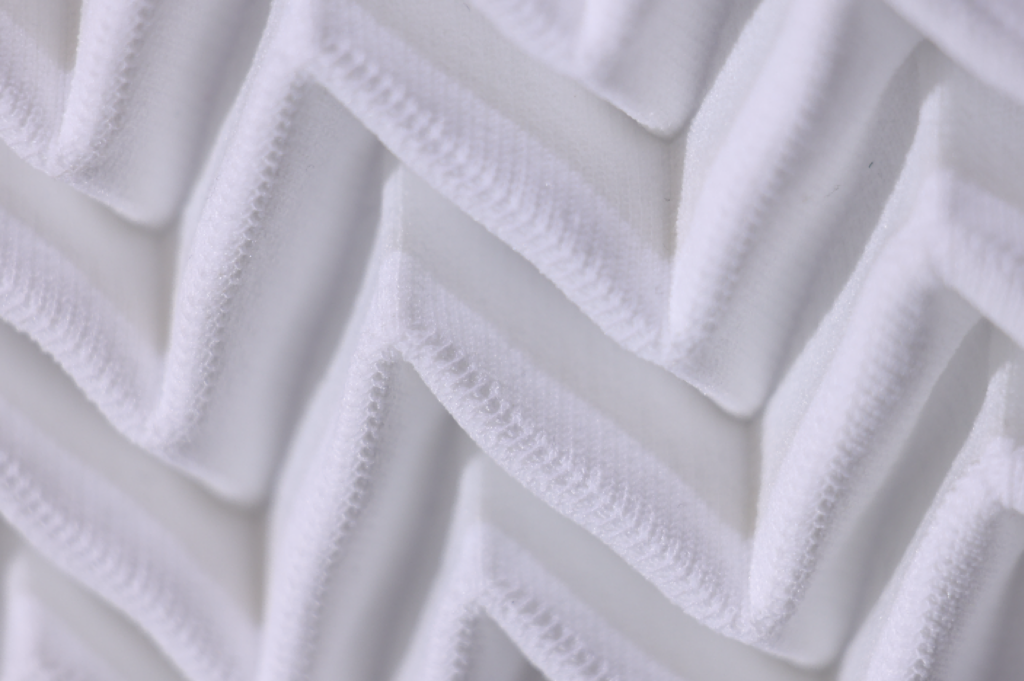
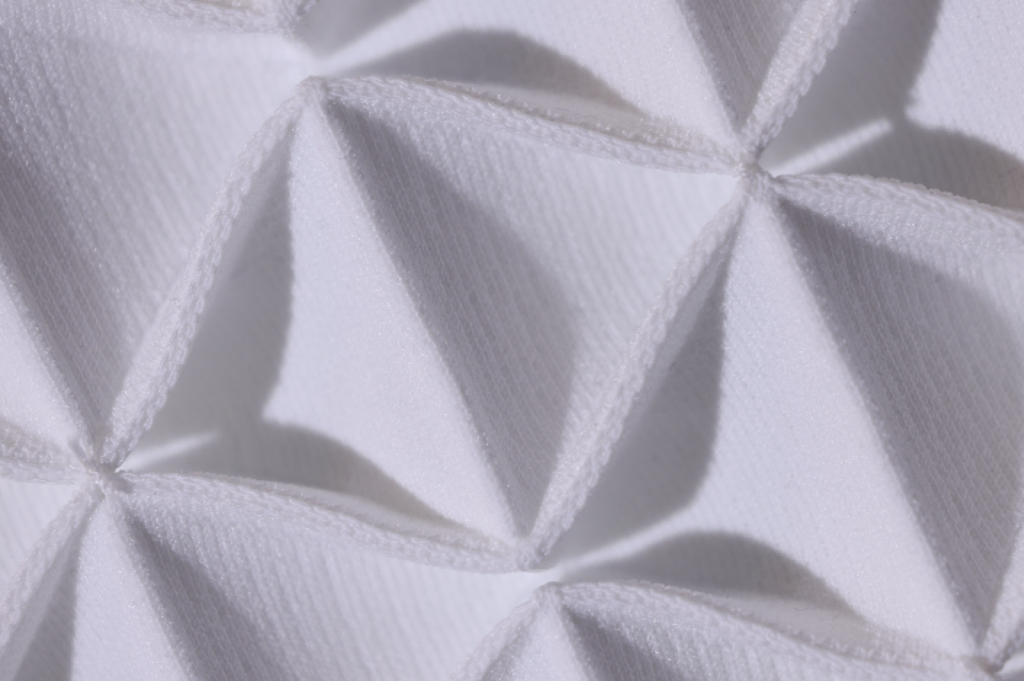
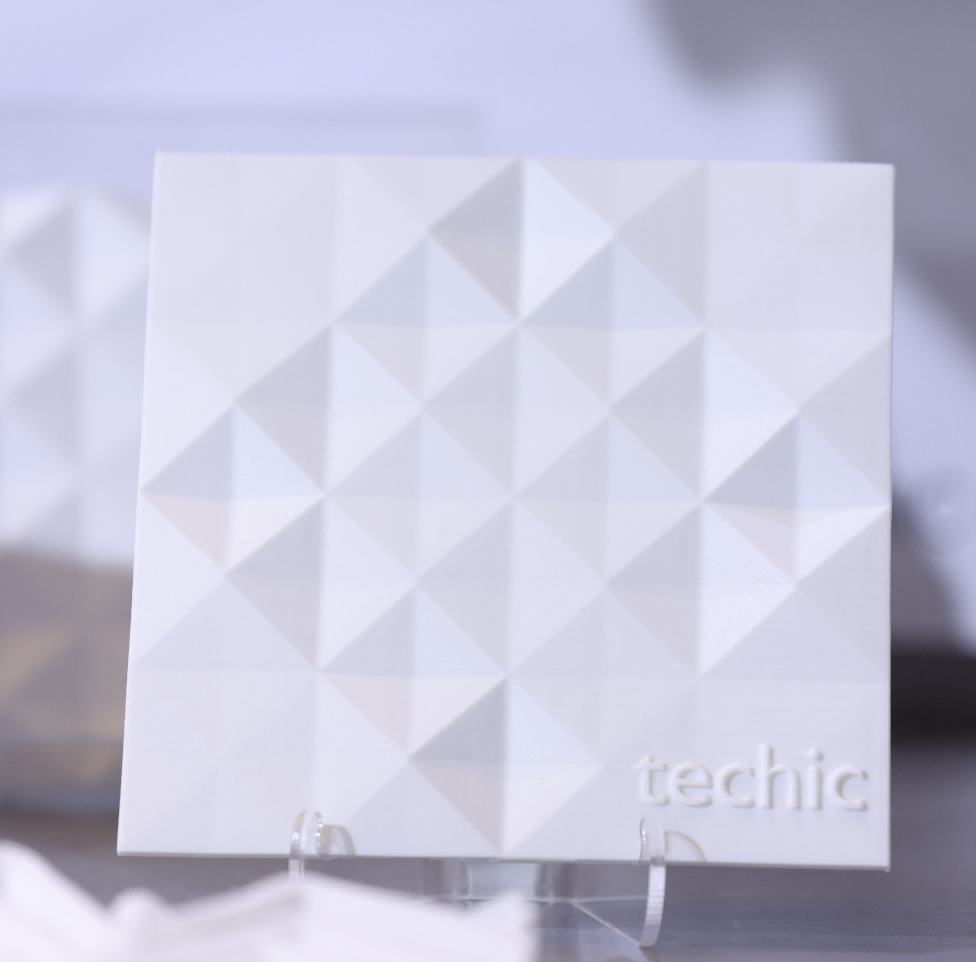
Folded Matter® is a material exploration project investigating origami principles and 3D folding structures as a source of material and form innovation. Rather than starting from a target application, this line begins with structural research — studying how paper-folding logic and three-dimensional folded geometries can be translated into physical materials with distinct structural and visual properties. It represents TECHIC’s more experimental, research-driven approach to materials, where structural play itself is the starting point for new applications.
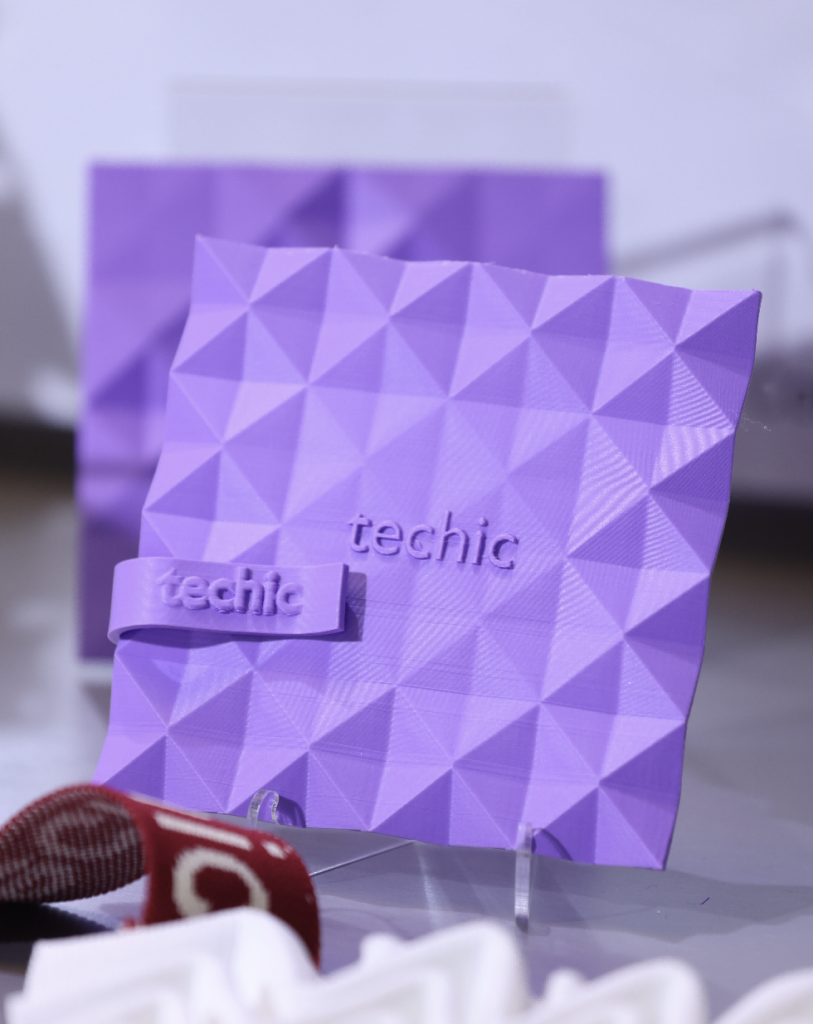
3D Gradients® is a CMF exploration focused specifically on 3D printing technology, investigating how additive manufacturing processes can be used to achieve gradient color, texture and form effects that are difficult or impossible to produce with traditional finishing methods. This line reflects TECHIC’s ongoing research into how emerging manufacturing processes — not just surface treatments — can expand what’s possible in color, material and finish design.
Looking for more material choices or more experimental directions? Visit INNOHUB·X
Located in the heart of Shanghai International Automobile City in Jiading, INNOHUB·X is Asia’s largest automotive CMF design, innovation and collaboration hub, a material museum that brings together material research, CMF trend releases and cross-industry co-creation, incubating new possibilities for next-generation mobility and technology products.