Advanced Knitting Lab
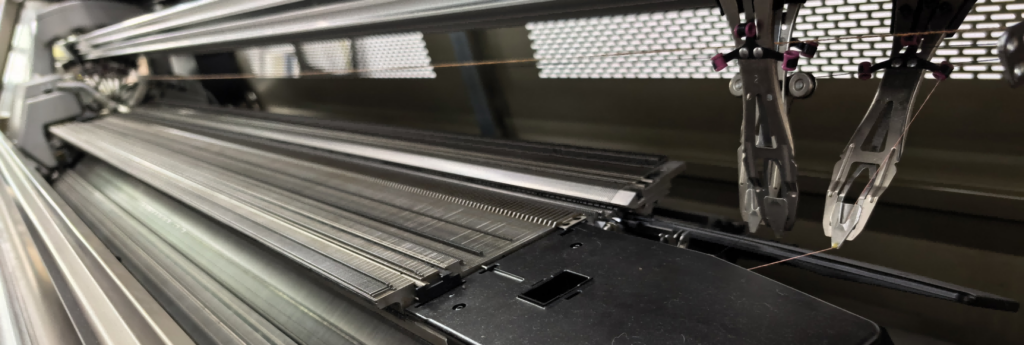
We approach knitting from the perspective of products and functions, not textile technique alone. At TECHIC, knitting is developed as a material system that can shape, cover, protect, flex and integrate with hardware.
Engineered Around the Product
Our development process begins with how the product needs to look, feel and perform. Yarn, knit structure, density, elasticity, breathability and local reinforcement are developed together with the product geometry, internal substrate and attachment method. This product-led approach allows us to create seamless or near-net-shape covers, zoned performance and knitted components that follow complex forms. Instead of treating the textile as a final layer, we develop it as part of the product’s material and structural system.

Yarn, Texture + Original Development
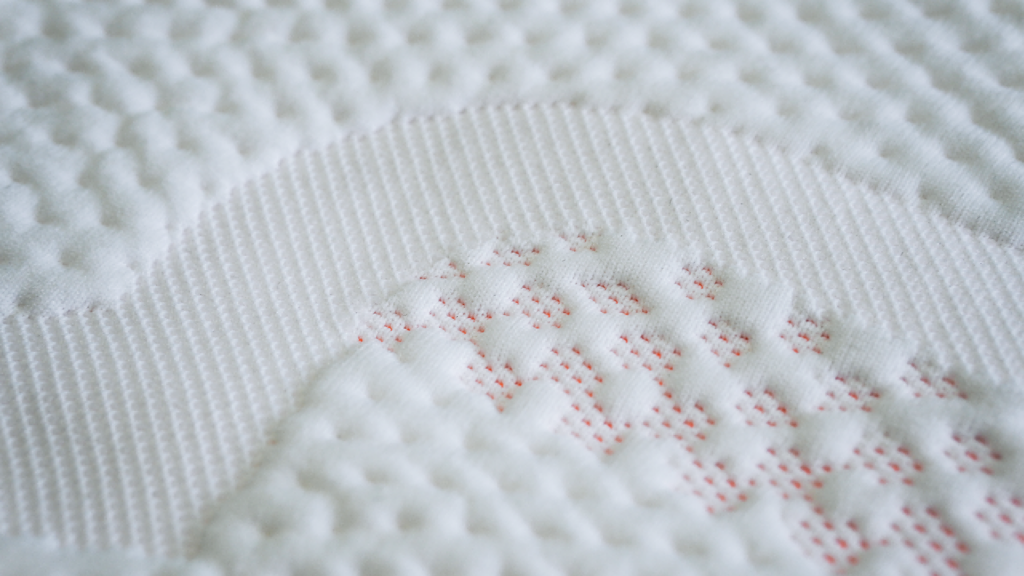
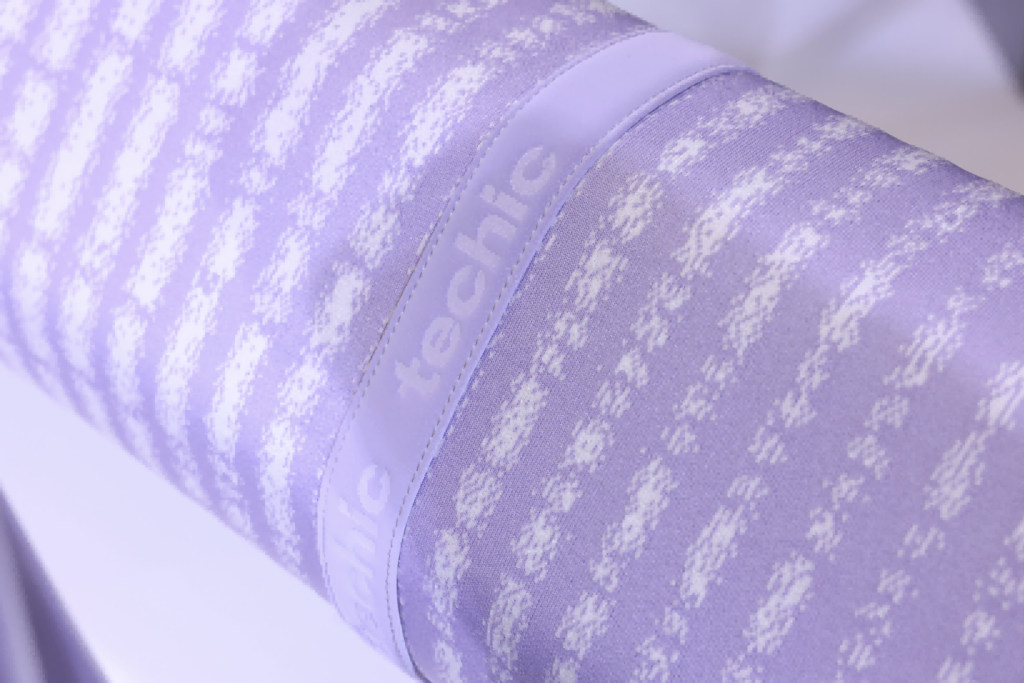
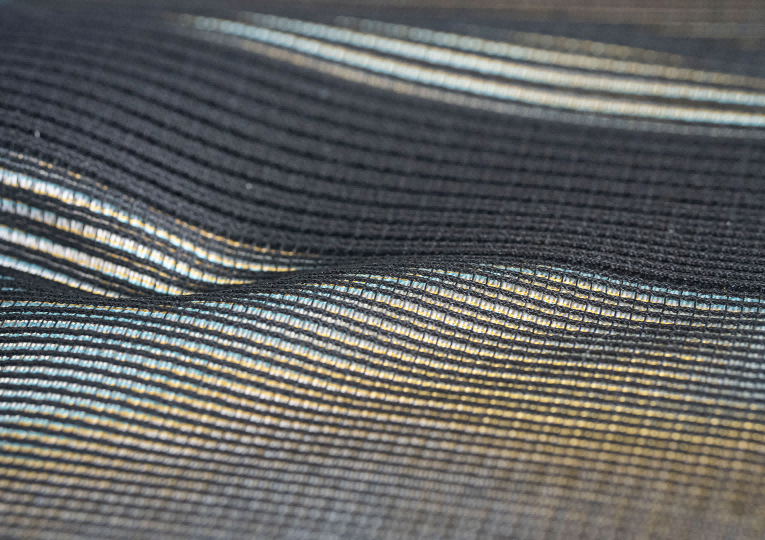
We work from the yarn and stitch structure upward. Our specialty yarn resources include volcanic mineral-infused yarns, transparent TPU yarns, light-emitting yarns and conductive yarns, alongside high-stretch, protective and visually expressive options. We evaluate their appearance, touch and functional potential within specific product applications. We are passionate about knitting as a field of material innovation. Through continuous experimentation, we develop original textures, engineered structures and new combinations of yarns, knitting techniques, finishing processes and composite materials, rather than relying only on existing textile catalogues.

From Knitted Surface to Product Component
Our automotive experience informs how we approach covering, layered materials, composite structures and assembly. Knitted surfaces can be developed together with foam, polymers, rigid components, connectors or embedded hardware to form a more complete product component. Projects may begin with a functional requirement, a complex geometry or an unresolved material interface. We develop yarn and structure combinations, produce physical samples and refine their fit, appearance and performance before supporting component integration, supplier coordination and production development.

Our approach builds on experience in developing knitted materials for automotive seating. This gives us a practical understanding of three-dimensional form, complex covering, material composition and the relationship between textiles, foam, polymers and rigid structures. We now transfer this knowledge to robotics, mobility, wearables and smart products.